
By Brian Garvey
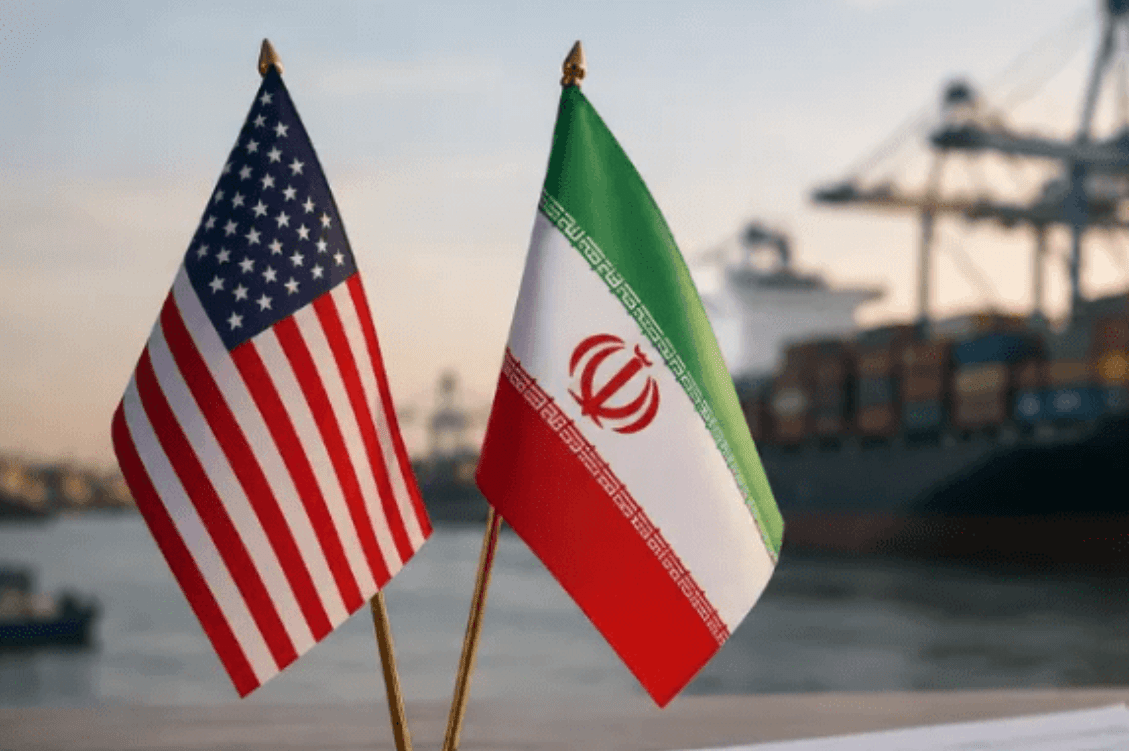
The Memorandum of Understanding between the United States and Iran is already encountering major domestic headwinds. The Trump Administration is trying to sell a preliminary diplomatic framework as a triumph. Republicans who cheered the war are already arguing that Trump should have demanded more. Too many Democrats, including members of the Massachusetts delegation, are denouncing the agreement to deny Trump a political victory.
Though the president certainly deserves criticism for his war of choice, members of the opposition need to be careful not to drift from principled antiwar dissent into opposition to diplomacy itself. As you’ll see, some Massachusetts lawmakers threaded the needle. Others have work to do. Some are outright failing.
First a little background. The US–Iran memorandum of understanding is not a final peace agreement. It does not undo months of bombing, civilian suffering, regional escalation, rising prices, and constitutional abuse. Many of the most important questions remain unresolved. The ceasefire in Lebanon remains fragile. The future of shipping and oil trade through the Strait of Hormuz is still uncertain. The world economy remains threatened.
So no, this isn’t a triumph for the Trump Administration by any means. But the alternative to a flawed diplomatic opening is not an imaginary perfect agreement. The alternative is more war.
The standard peace advocates are demanding from their members of Congress is not complicated: hold the Trump Administration accountable, but support negotiations to end the war. That means criticizing the agreement honestly without rooting for it to fail.
So how did Massachusetts lawmakers do? First, the good:
Congressman Jim McGovern’s statement described the Iran War in the context of the last 25 years. “This war should be a lesson. The push for military adventurism and regime change by neocon war hawks was, unsurprisingly, an unmitigated disaster,” said McGovern. “After three months of death and destruction, the rest of us are now left paying the price. His war proved only one thing: that diplomacy was the answer all along.”
Representative Ayanna Pressley highlighted the consequences of the reckless alliance between the US and Israel: “Trump never had a plan on how to end this war, or a clear reason that he started it in the first place. He has supported Netanyahu’s barbaric warfare at the expense of communities and home and abroad.”
Senator Elizabeth Warren tried to strike a balance in her official statement, saying Trump never should have dragged the United States into war with Iran, and that the American people paid the price. She also said she was glad the conflict had halted through negotiations. She reflected that if the point of all this was to prevent Iran from obtaining nuclear weapons, which Iran denies seeking and Trump insists was his primary motivation, the proven way to do so is through diplomacy.
Though Senator Warren’s statement perhaps buys too much into the President’s premise, it is mostly positive. It’s also important to point out that she has also used her position on the Senate Armed Services Committee to vote for a motion to prohibit funds for further military operations against Iran.
Now a few that…need improvement:
Senator Ed Markey’s statements have been concerning, though they appear to be moving in the right direction.
His initial reaction was far too hawkish. In a June 18 post, Markey wrote that Trump’s deal included a “$300 billion payoff for Iran” and “no new limits on its nuclear program,” then concluded: “Congress must review and reject this deal immediately.”
That was the wrong message.
Markey’s later official statement was an improvement. He correctly argued that the United States already had a working nuclear deal with Iran before Trump abandoned it. He said Trump’s war was avoidable, disastrous, and based on lies. Most importantly, he concluded that the best available option now is to end the war by approving the MOU.
But there’s still work to be done for Senator Markey. Even his improved statement described the agreement as a “bribe,” a “payoff,” and a capitulation of what he called Iran’s “mafia protection racket”. That’s not right either. It implies that diplomacy is weak and that ending economic sanctions and organizing relief are gifts, rather than an end to decades of destructive economic warfare and months of bombing Iranian infrastructure by the US.
Representative Seth Moulton, who is running to unseat Markey, also had plenty of criticism for the deal, calling it “absolutely terrible,” and “a surrender document.”
But it’s important to point out that Moulton also came to the conclusion that lawmakers should accept the memorandum. After calling the agreement “lose, lose, lose” for Trump and the United States, he admitted that ending the war is still “the best that we can do at this point.”
Too unclear. This disaster of a war was a loss for the Trump Administration. The deal reflects that loss. But an end to Trump’s illegal war isn’t a loss for the American People, or the Iranian People. It’s an absolute necessity.
Other members of the delegation are choosing to outright oppose the current move toward negotiations.
Representative Katherine Clark took a directly hawkish approach. Her official statement correctly says Trump lost a reckless war that he started, and that the American people are paying the price. But in a June 18 email to supporters, Clark framed the agreement as an “outrageous betrayal” that emboldens Iran and makes America less secure.
In a post on his substack entitled “Worst Deal Ever” Congressman Jake Auchincloss said plainly, “Democrats must be ready to reject a final agreement,” claiming it would “embolden enemies, weaken allies, and undermine U.S. national security.”
That kind of framing is intended to push people toward opposing the deal itself, rather than opposing the war that made the deal necessary. That’s not the way.
Going Forward
There are many reasons to criticize the Trump Administration’s war on Iran, but lawmakers shouldn’t encourage their supporters to oppose the agreement. The alternative to an imperfect diplomatic agreement isn’t a better deal, but the continuation of war. Risking that for the sake of political point scoring is a dangerous mistake.
The people of Iran and US service members shouldn’t be props in American politics. Neither are American families paying the price for war through higher costs, fewer public investments, and the diversion of resources from human needs to military destruction.
The details of any official agreement between the United States and Iran won’t be clear until negotiations are complete. That may take the predicted 60 days. It will likely take much longer. The deal could fall apart. But a diplomatic opening is still an opening. Lawmakers should use their voices, and their upcoming votes, to widen that opening and encourage a peaceful end to the Iran war.
Resuming this destructive conflict is unacceptable.
—
Brian Garvey is the Executive Director of Massachusetts Peace Action